
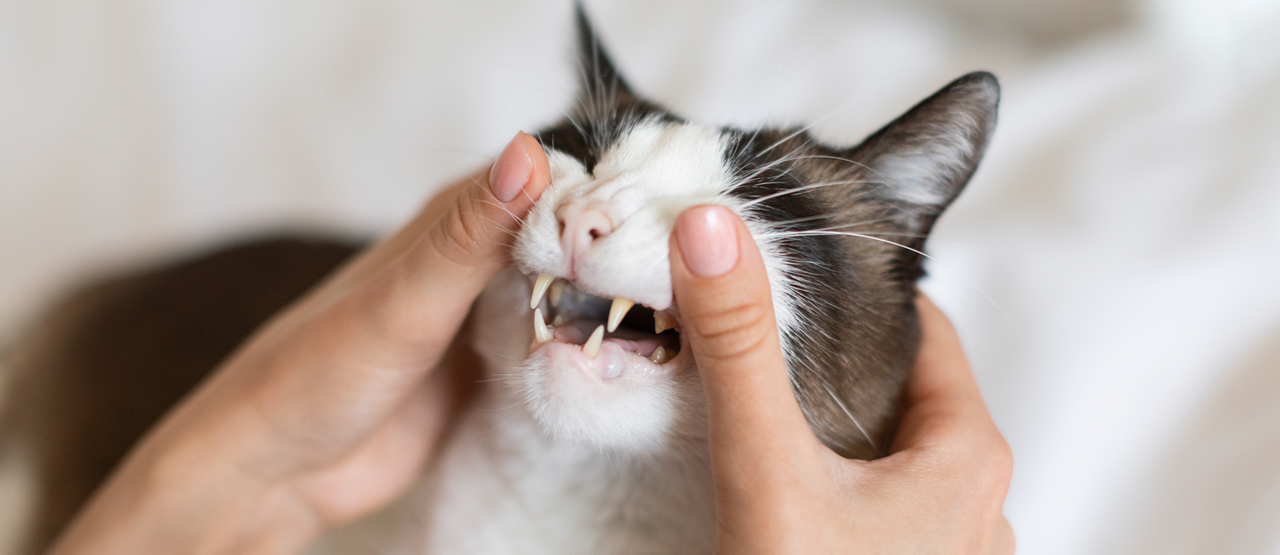
Dental health is a vital part of caring for dogs and cats, yet it is one of the most commonly overlooked areas of preventive care. Oral health affects far more than just bad breath or stained teeth. Healthy gums and teeth help reduce chronic pain, support internal organ health, and may even help pets live longer lives. By the age of three, nearly 70% of cats and 80% of dogs already show signs of periodontal disease, which is why dental care should start early.
At All Friends Animal Hospital in Norwich, Connecticut, dental disease is one of the most frequent medical issues we see in pets. Although dental problems are widespread, many can be prevented with routine veterinary exams and consistent care at home. Identifying dental concerns early can help prevent discomfort, infection, and more serious health complications later on.
Dental disease usually begins when plaque forms on the teeth. If plaque is not removed, it hardens into tartar and irritates the gums. As bacteria move below the gumline, inflammation and infection develop, damaging the tissues and bone that support the teeth. These bacteria can enter the bloodstream and have been linked to serious systemic conditions such as kidney disease and heart infections, including endocarditis. Studies show that cats with advanced periodontal disease are more likely to develop chronic kidney disease, and dogs with dental disease have an increased risk of heart-related complications.
Some pets are more susceptible to dental disease than others. Smaller dog breeds such as Chihuahuas, Dachshunds, Terriers, and Beagles often experience dental problems earlier in life due to crowded teeth and shallow tooth roots. These pets may benefit from earlier dental evaluations and more frequent professional cleanings.
Several dental conditions are commonly diagnosed in dogs and cats. Broken or fractured teeth can occur from chewing hard objects, accidents, or trauma. These injuries are often painful and can quickly lead to infection if left untreated. Even if a pet continues eating normally, damaged teeth typically require veterinary care to prevent further complications.
Plaque and tartar buildup are often the earliest visible signs of dental disease. As tartar accumulates, it causes gum irritation, persistent bad breath, and eventually periodontal disease. Periodontal disease is the most common dental condition in adult pets and leads to progressive damage to the gums, ligaments, and bone that hold teeth in place. Because much of this damage occurs beneath the gumline, the disease may advance before obvious symptoms appear.
Signs of periodontal disease in dogs may include:
-Bad breath
-Red, swollen, or bleeding gums
-Yellow or brown buildup on teeth
-Drooling or dropping food while eating
-Loose or missing teeth
-Pawing at the mouth or face
-Avoiding hard food or chew toys
Signs of periodontal disease in cats may include:
-Bad breath
-Drooling, sometimes with blood
-Red or swollen gums near the back teeth
-Dropping food or chewing on one side
-Decreased appetite or weight loss
-Pawing at the mouth or face
-Reduced grooming or a dull coat
Cats are especially skilled at hiding discomfort. Subtle changes such as weight loss, reduced grooming, or behavioral changes may be the only signs of dental pain, which makes routine dental exams especially important for cats.
Preventing dental disease starts with consistent care at home. Even small, regular habits can make a meaningful difference over time. Always consult your veterinarian before starting a new dental routine.
At-home dental care tips for dogs include:
-Brushing teeth daily with dog-safe toothpaste
-Providing dental chews or toys designed to reduce plaque and tartar
-Using oral rinses or water additives recommended by your veterinarian
-Feeding dental-support diets when appropriate
-Regularly checking teeth and gums for redness or buildup
At-home dental care tips for cats include:
-Brushing teeth regularly with cat-safe toothpaste
-Offering dental treats designed to help reduce tartar
-Using dental diets if recommended by your veterinarian
-Gently checking teeth and gums for signs of inflammation
-Keeping dental care sessions short and positive
Because pets cannot clearly communicate dental pain, it is important to watch for changes in eating habits, grooming behavior, or demeanor. Dogs may continue eating despite discomfort, while cats may quietly eat less or chew differently. Routine dental checkups allow veterinarians to identify problems early, before they progress into painful infections or tooth loss.
Signs your dog may need a dental checkup include:
-Persistent bad breath
-Visible tartar buildup
-Bleeding or inflamed gums
-Dropping food while eating
-Loose or missing teeth
-Behavior changes such as irritability or withdrawal
Signs your cat may need a dental checkup include:
-Bad breath
-Drooling or mouth sensitivity
-Difficulty eating or dropping food
-Decreased grooming
-Weight loss
-Hiding more than usual
Professional veterinary dental cleanings are the most effective way to protect your pet’s oral health. While brushing at home helps manage plaque, professional cleanings allow veterinarians to safely clean below the gumline, take dental X-rays, and identify hidden disease. Pets are placed under anesthesia so procedures can be performed thoroughly and without pain or stress.
Many pet owners are surprised by the cost of professional dental care. Veterinary dental procedures involve anesthesia, continuous monitoring of vital signs, dental imaging, specialized equipment, and trained veterinary staff. These steps are essential to ensure your pet’s safety, comfort, and quality of care.
How often pets need professional dental cleanings depends on age, breed, and oral health. Puppies and young adult dogs with healthy mouths may need cleanings every 12 to 24 months. Adult dogs often benefit from annual cleanings, while dogs prone to dental disease may require cleanings every six to twelve months. Cats typically need their first professional cleaning around one to two years of age, followed by annual cleanings. Cats with early dental disease may require more frequent care.
Consistent dental care helps prevent painful infections, tooth loss, and serious health complications. When professional veterinary care is combined with regular home dental habits, pets have the best chance at a healthy mouth and a healthier life. If you have concerns about your pet’s dental health or would like help creating a preventive care plan, the team at All Friends Animal Hospital in Norwich, Connecticut is here to help.
References:
-Animal Dental Center. (n.d.). 8 warning signs of pet dental disease. https://www.animaldentalcenter.com/pet-owners/8-warning-signs-of-pet-dental-disease/
-American Veterinary Medical Association. (2023). Dental health for dogs and cats. AVMA. https://www.avma.org/resources-tools/pet-owners/petcare/dental-health-dogs-cats
-American Veterinary Dental College. (2023). Veterinary dental cleaning. AVDC. https://avdc.org/owners/pet-dental-care/veterinary-dental-cleaning/
-American Veterinary Medical Association. (2022). Periodontal disease in pets. AVMA. https://www.avma.org/resources-tools/pet-owners/petcare/periodontal-disease
-American Veterinary Medical Association. (2023). Preventing dental disease in pets. AVMA. https://www.avma.org/resources-tools/pet-owners/petcare/preventing-dental-disease